I've primarily been a Sony shooter for years. It started with a few point and shoots like the P9, W1, and T1 in 2004. Then I moved to mirrorless with the NEX-5 and Sony RX1R (which I shot this Japan trip with) before eventually sticking with various models of the a7S and a7R line over the years. The high-water mark was hauling a bag of camera gear through New Zealand and Africa, then sinking months into Lightroom and building meticulously edited photosets.
Somewhere in there, that became the problem. The bar I'd set for those photosets kept climbing until nothing felt worthy of the effort. When Covid came around I wasn't going on any big trips, so I focused my spare time on other hobbies (notably, coding), and when trips came back I found that shooting with just my phone was plenty. I also had to deal with the aftermath of a photography hobby: terabytes of photo RAW file backups I'd held onto for over a decade and never once revisited.
I made myself a deal: if I ever got back into photography, it had to be different. A much more compact camera setup, no marathon editing sessions, one-off shots instead of curated photosets.
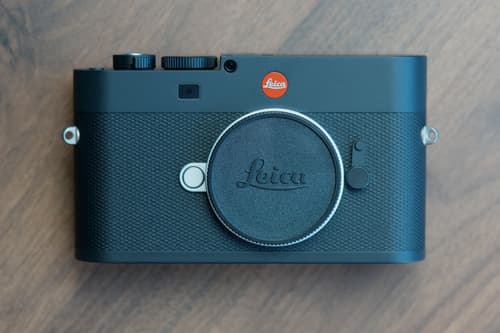
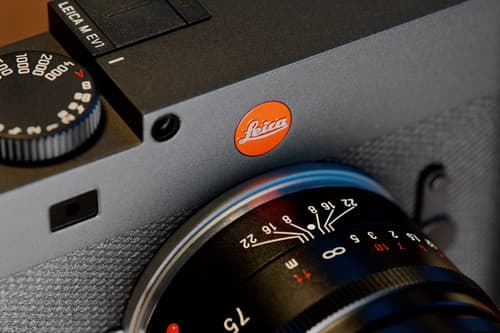
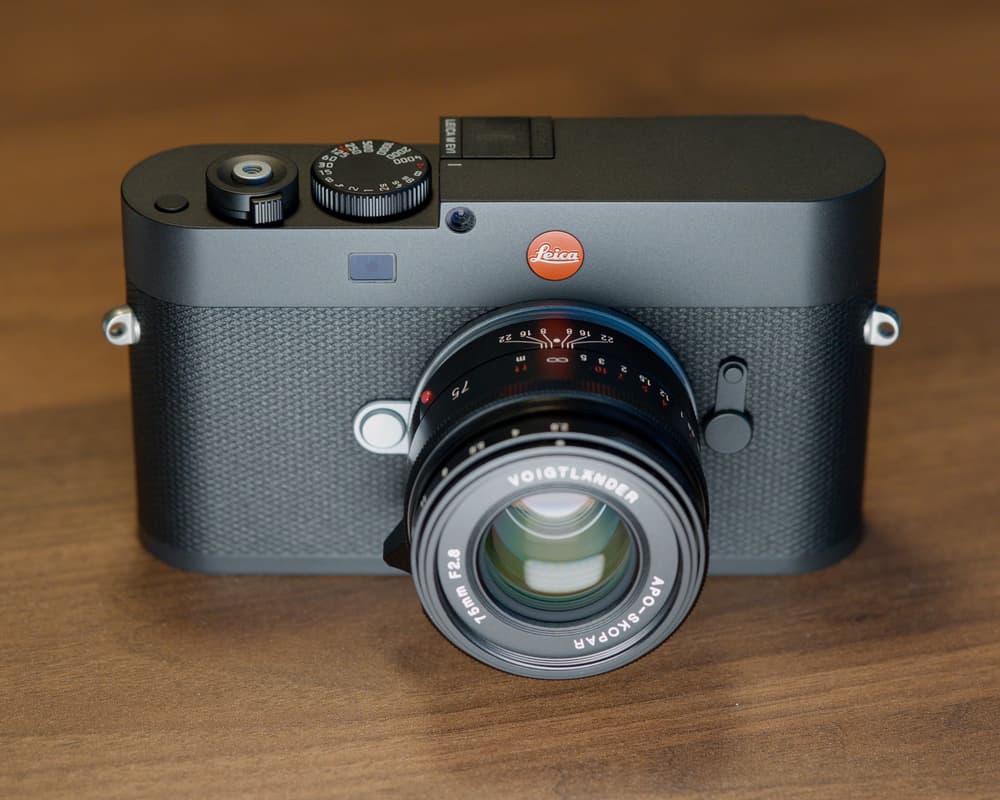
I've always admired Leica cameras. The remarkably minimalist aesthetic. The mechanical precision and unwavering build quality. The renowned heritage. Leicas don't compete on specs, they compete on the shooting experience, build quality, and brand legacy. They were the original photojournalist tools, built for catching the moment rather than perfecting it in post, which is exactly the relationship with photography I'm trying to get back to.
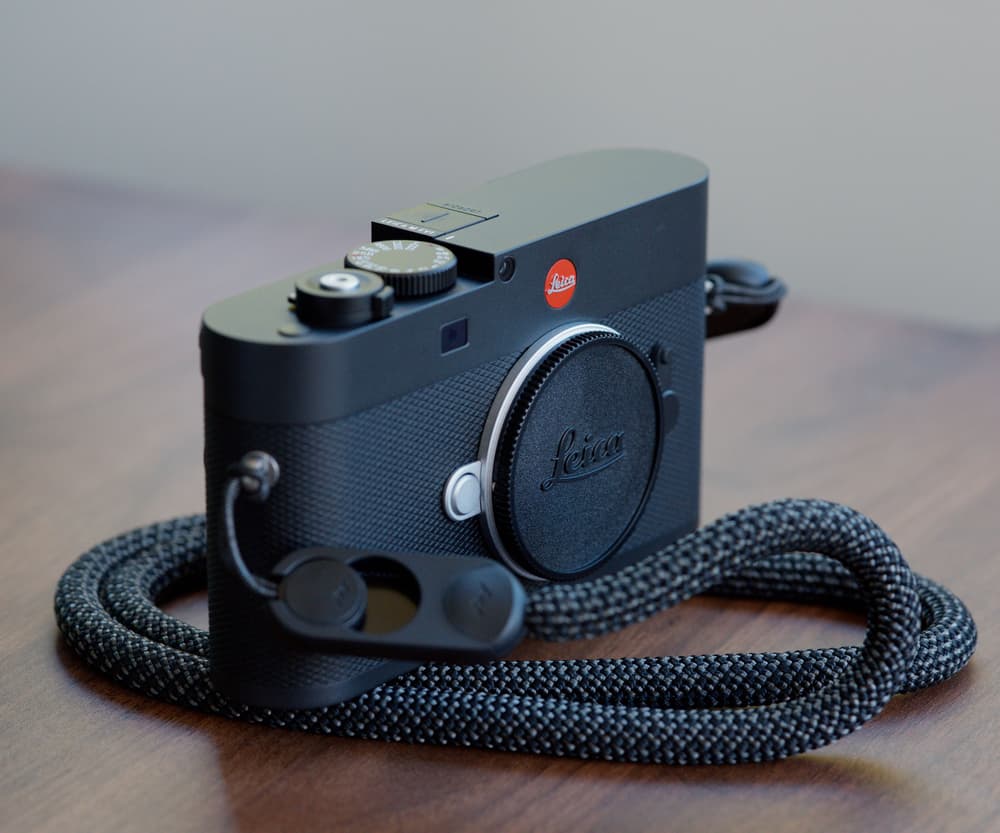
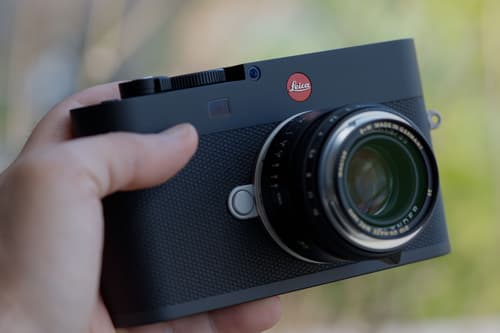
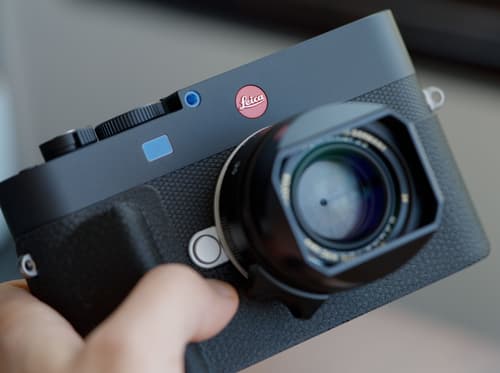
With that comes an insanely high price tag, which is why owning a Leica M has just been a warm thought. I just couldn't justify the price tag for essentially a hobby toy. Fortunately, it was my lovely wife Katherine who got me this new Leica M EV1 for my 40th birthday. I'm still getting acquainted with it but plan to write more about it soon.
To go along with it I got a set of Voigtlander prime lenses.


